Imagine stepping off a cable car into cool mountain air, the whole Aburrá Valley spread out below you, street art bright on the walls beside you, and the smell of fresh arepas drifting from a corner stall. Medellín, Colombia’s second city, has changed profoundly in the last thirty years, and today it is one of South America’s most rewarding city breaks — warm, walkable in its best districts, and full of parks, museums, and neighbourhoods with real stories to tell.
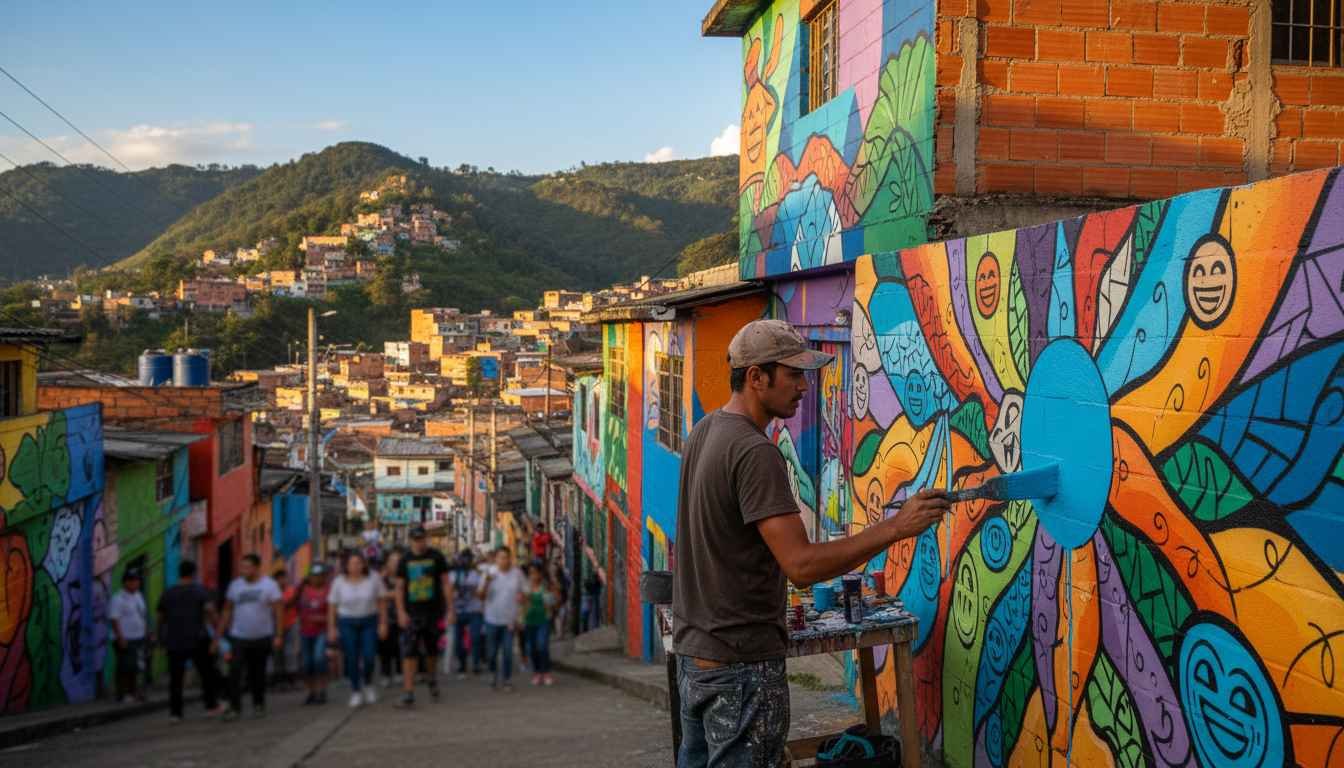
Medellín is known as the City of Eternal Spring because of its mild climate year-round. Here are the places to start with.
Parque Arví: A Natural Retreat Above the City
Parque Arví is a large ecological park on the hills east of the city. The journey is part of the experience: take the metro to the Acevedo station, then the Metrocable up over the hillside neighbourhoods, with views opening out as you climb. In the park you will find walking trails, picnic areas, and a farmers’ market at weekends.
Wear comfortable shoes, bring water, and allow a half day. The park is at a higher altitude than the city centre, so it can feel cooler and mistier — a welcome change on a warm day.
Comuna 13: A Neighbourhood with History and Art
Comuna 13, once one of Medellín’s most troubled districts, is now famous for its street art, outdoor escalators, and community-led tours. The murals tell the story of the neighbourhood’s past and its transformation, and local guides — many of them residents — explain what the images mean.
Visit with a local guide rather than wandering alone, both out of respect for the community and because the stories behind the art are what make the visit meaningful. Go in the daytime, and be mindful that this is a residential neighbourhood, not a theme park.
Plaza Botero and the Museo de Antioquia
Plaza Botero, in the city centre, displays more than twenty oversized bronze sculptures by Fernando Botero, Medellín’s most famous artist. The plaza is free to visit and sits beside the Museo de Antioquia, which holds more of Botero’s work alongside Colombian art.
The surrounding downtown area is busy and best visited during the day. Pair the plaza with the museum for a compact morning of art and history, then head to a quieter district for lunch.
Jardín Botánico: A Green Oasis in the City
The Jardín Botánico, near the University of Antioquia, is a peaceful garden with themed plant collections, a striking orchid house known as the Orquideorama, and a butterfly house. It is a good place to slow down between city sights, and it suits families as well as solo travellers.
Combine it with the nearby Parque Explora science museum or the Planetarium if you are travelling with children, or simply enjoy a coffee in the garden café.
El Poblado and Provenza: Where to Eat and Stay
El Poblado is the district most visitors stay in, and its Provenza zone is the centre of Medellín’s restaurant and café scene. The streets here are leafy and walkable, with everything from traditional Colombian restaurants to international kitchens.
Provenza is lively at night, which suits some travellers and not others. If you prefer quiet evenings, stay on a side street rather than on the main restaurant strip, and use El Poblado as a base for day trips rather than as your only Medellín experience.
Laureles: A More Local Neighbourhood
Laureles, west of the city centre, offers a more local feel: tree-lined streets, neighbourhood restaurants, and the Estadio Atanasio Girardot, home to Medellín’s football clubs. It is a good choice if you want to see daily life in the city beyond the tourist districts.
Day Trips from Medellín
Guatapé. About two hours east, Guatapé is a colourful lakeside town famous for El Peñón, a huge granite rock with a staircase of more than 700 steps to the top. The view over the surrounding reservoirs is worth the climb, and the town’s brightly painted zócalos — decorative panels on its buildings — make for a pleasant afternoon walk.
Santa Fe de Antioquia. This colonial town, about an hour and a half northwest, offers cobbled streets, whitewashed houses, and a slower pace. It is noticeably warmer than Medellín, so plan for heat and bring sun protection.
For more South American inspiration, see our guide to where the best place to visit in Brazil is, which compares Rio, Iguazu, Salvador, and the Pantanal by traveller type.
Practical Tips for Medellín
- Use the metro and Metrocable. Medellín’s metro is clean, safe, and easy to use, and the cable-car lines are both transport and sightseeing in one.
- Stay in El Poblado or Laureles for a first visit. Both are well served by restaurants and transport, and both feel comfortable for visitors.
- Take normal city precautions. As in any large city, keep valuables out of sight, avoid quiet streets late at night, and use ride-hailing apps or official taxis after dark.
- Learn a little Spanish. English is spoken in tourist areas, but even basic Spanish opens up markets, neighbourhood restaurants, and conversations with guides.
FAQ: Visiting Medellín
Is Medellín safe for tourists?
Medellín is much safer than it was a generation ago, and millions of visitors travel there each year. Normal big-city precautions apply: stay in well-known districts, avoid displaying valuables, and take official transport at night.
How many days do I need in Medellín?
Three days cover the main city sights comfortably. Add a fourth day for Guatapé if you have time.
What is the best time to visit Medellín?
The climate is mild year-round, so there is no bad month. December brings the Alumbrados, the city’s famous Christmas lights, while the Flower Festival in August is another popular time.
Do I need Spanish to visit?
No, but it helps. Tourist districts, hotels, and major attractions are manageable in English, while neighbourhood restaurants and markets are easier with basic Spanish.
Final Thoughts
Medellín rewards visitors who look beyond a single postcard view. Ride the Metrocable, walk Comuna 13 with a local guide, linger in a botanical garden, and spend an evening in Laureles or Provenza — and you will see a city that has rebuilt itself around parks, public transport, and community pride. That story, more than any single attraction, is what makes Medellín worth the trip.