Picture this: you are standing on a forested ridge at sunrise, mist drifting through the valley below while a waterfall thunders somewhere behind the trees. That is a typical morning in northern Georgia, where the southern end of the Appalachian Mountains rises into a landscape of cascading waterfalls, winding rivers, and small towns built on gold rush history. Whether you want to hike to Georgia’s highest peak, ride a scenic railway through mountain valleys, or simply slow down on a charming town square, this guide covers the places that make the region worth the trip.
Why Northern Georgia Belongs on Your Travel List
Most of northern Georgia lies about a two-hour drive north of Atlanta, yet it feels like a different world. The Blue Ridge Mountains and the vast Chattahoochee National Forest dominate the northern counties, creating a region where outdoor adventures and historic small towns sit within minutes of each other. You can hike to a 729-foot waterfall in the morning, browse a gold rush town’s shops after lunch, and end the day at a mountain winery — all without packing up your hotel room.
The region works well for almost every travel style. Serious hikers come for the Appalachian Trail’s southern reaches, families come for easy waterfall walks and the scenic railway, and couples come for quiet cabins and tasting rooms. The sections below walk you through the five destinations that define the region, plus practical advice on timing and getting around.
1. Dahlonega: Gold Rush History and Wine Country
Dahlonega’s story starts in 1829, when gold was discovered in the surrounding hills and the town became the center of the first major gold rush in the United States. That history is still visible today: the Dahlonega Gold Museum occupies the town’s historic former courthouse, and several sites in the area let you pan for gold the way prospectors did nearly two centuries ago. The walkable downtown is lined with local shops, cafés, and restaurants in well-preserved nineteenth-century buildings.
The hills around Dahlonega have also become one of Georgia’s most visited wine regions. The Dahlonega Plateau’s elevation and cool mountain nights suit the grape varieties grown here, and tasting rooms on and around the town square make an easy addition to a day of sightseeing. If you visit in autumn, combine the wineries with the surrounding fall color for one of the prettiest driving days in the state.
2. Amicalola Falls State Park and the Chattahoochee National Forest
Amicalola Falls, whose name comes from a Cherokee word meaning “tumbling waters,” drops 729 feet through the forest — the tallest cascading waterfall east of the Mississippi River. The park around it is one of Georgia’s most visited state parks, and it is easy to see why: you can admire the falls from roadside overlooks, or climb the staircase of more than 600 steps that runs beside the cascade for a full-length view of the drop.
The park also serves as the starting point for the approach trail to Springer Mountain, the southern terminus of the Appalachian Trail. Through-hikers begin their journey north here each spring, and even if you are not attempting the full trail, the first miles make an excellent day hike. The surrounding Chattahoochee National Forest extends the options further — nearby Anna Ruby Falls and Raven Cliff Falls, both tucked into the forest near Helen, offer shorter, family-friendly hikes to beautiful cascades.
3. Blue Ridge: Scenic Railway, River Adventures and Small-Town Charm
Blue Ridge is the mountain town most visitors picture when they think of northern Georgia. Its centerpiece is the Blue Ridge Scenic Railway, which departs from the restored 1905 depot downtown and winds along the Toccoa River to the twin border towns of McCaysville, Georgia, and Copperhill, Tennessee. The round trip is a leisurely half-day excursion and one of the best ways to see the valley scenery without lacing up hiking boots.
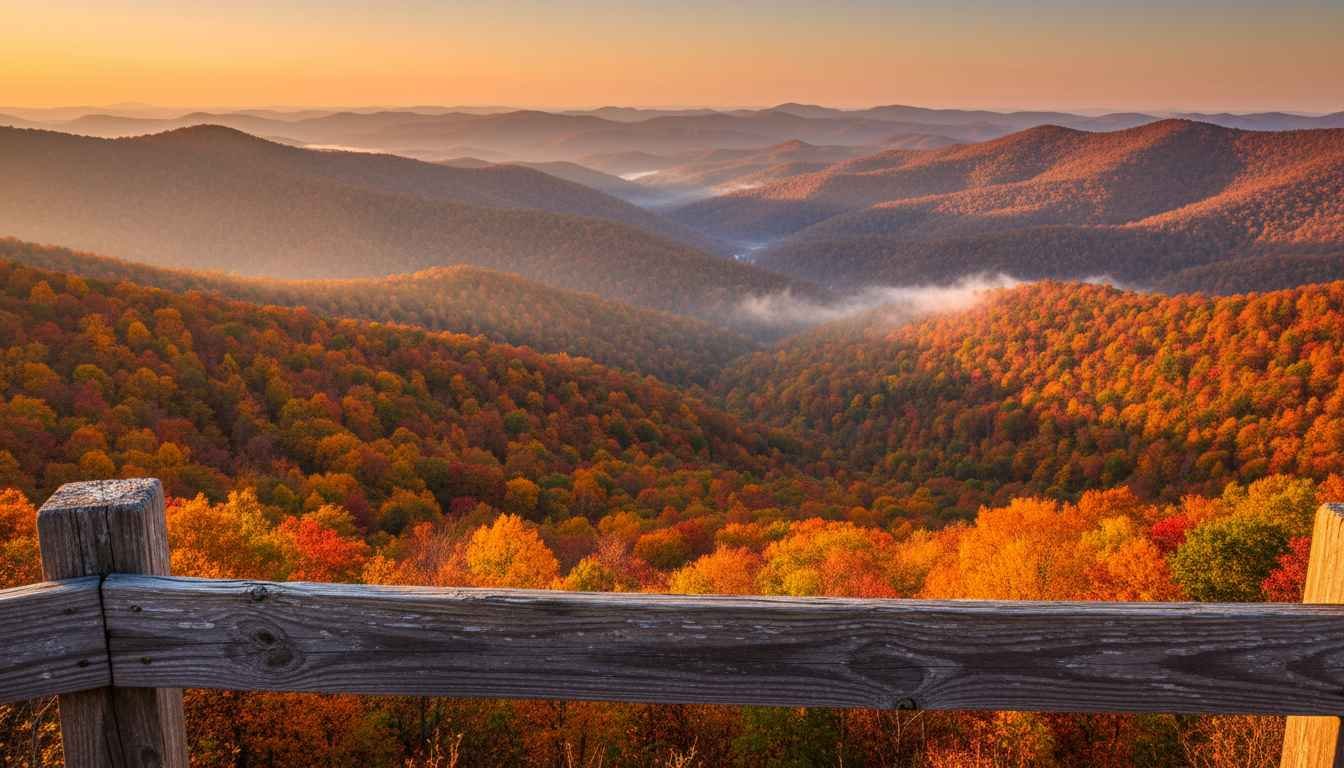
The Toccoa River itself is a destination: it is known for trout fishing, and outfitters in town rent kayaks and tubes for warm-weather trips down its gentle stretches. Lake Blue Ridge, a few miles north, adds swimming and boating to the mix. Downtown Blue Ridge rewards an unhurried afternoon too — breweries, antique shops, and farm-to-table restaurants cluster along East Main Street, and mid- to late October typically brings the peak fall color, when a trip here earns its place among the best fall destinations in the US.
4. Helen: An Alpine Village Tucked Into the Mountains
Helen looks nothing like its neighbors: in the 1960s the struggling logging town reinvented itself as a Bavarian-style alpine village, and the half-timbered storefronts have drawn visitors ever since. It is unabashedly kitschy and all the better for it — bratwurst, beer gardens, and alpine architecture set against the very real backdrop of the Blue Ridge Mountains.
The Chattahoochee River flows right through town, and summer tubing trips down its cool water are a local rite of passage. Helen also makes a practical base for the surrounding forest: Unicoi State Park sits just outside town with a lake, trails, and lodging, and Anna Ruby Falls is a short drive away. Come in October and you will find Oktoberfest celebrations running for weeks — book lodging early, because the town fills up fast during festival season.
5. Brasstown Bald: The Highest Point in Georgia
At 4,784 feet, Brasstown Bald is the highest point in Georgia, rising on the border of Towns and Union counties. On clear days the 360-degree view from the summit observation tower stretches across four states, with ridge after ridge of the Blue Ridge fading into the distance. The peak’s name came from a mishearing of a Cherokee word — a small detail the visitor center’s exhibits explain alongside the mountain’s ecology.
Reaching the top is straightforward: a paved road climbs most of the way, and from the parking area a shuttle carries visitors the final half-mile to the summit (a steep but short paved trail offers the same route on foot for those who prefer it). The drive up is part of the experience — the Russell-Brasstown Scenic Byway winds through some of the prettiest high country in the state, crossing the Appalachian Trail at Hogpen Gap along the way. Sunrise and sunset from the summit are unforgettable, so time your visit for golden hour if you can.
When to Visit Northern Georgia
Spring (April through early June) brings wildflowers to the forest trails and comfortable hiking weather, with smaller crowds than autumn. Summer is tubing and lake season — expect warm afternoons in the valleys and cooler air at elevation. Fall is the region’s famous season: color typically peaks from mid- to late October, and lodging in Blue Ridge, Helen, and Dahlonega books out weeks ahead for October weekends, so reserve early. Winter is the quietest season; some attractions run reduced hours, but the mountain towns stay open and the bare ridgelines offer long, clear views.
Getting Around Northern Georgia
A car is essential here — public transportation does not connect these towns, and the most rewarding drives are the mountain roads themselves. Distances are short but deceptive: two towns twenty miles apart can be forty minutes of winding road, so plan generously. A practical approach is to base yourself in one town — Blue Ridge, Dahlonega, or Helen all work — and day-trip from there. Pack layers even in summer; elevations above 4,000 feet run noticeably cooler than the valleys, and afternoon rain is common from spring through early fall.
FAQ:
How many days do you need for northern Georgia?
Three to four days covers the highlights: Dahlonega, Amicalola Falls, Blue Ridge, and Brasstown Bald. A full week lets you slow down, add Helen, and spend a day hiking in the Chattahoochee National Forest without rushing.
Is northern Georgia good for families with kids?
Yes. Easy waterfall walks at Amicalola Falls and Anna Ruby Falls, the Blue Ridge Scenic Railway, gold panning in Dahlonega, and summer tubing in Helen all suit children. Brasstown Bald’s shuttle makes the state’s highest point accessible even for grandparents.
What is the best month to see fall color in northern Georgia?
Mid- to late October is the typical peak, though the exact week varies year to year. Higher elevations like Brasstown Bald turn first, with the valleys following a week or so later.
Do you need hiking experience to enjoy the region?
No. Many of the best sights — the falls overlooks, the scenic railway, the Brasstown Bald shuttle, and the town centers — require little or no hiking. Trails range from paved, stroller-friendly paths to serious backcountry routes, so you can choose your level.
Final Thoughts
Northern Georgia rewards travelers who like variety: a single long weekend can hold a gold rush museum, a 729-foot waterfall, a mountain railway, and the highest summit in the state. Base yourself in one welcoming town, keep your days flexible for mountain weather, and leave room for the unplanned stops — the roadside overlooks and farm stands are half the charm. If these ridgelines win you over, keep the season going with our guide to places to visit in West Virginia during fall, another stretch of Appalachia that shines in autumn.