Stand on the White Cliffs of Dover on a clear morning, with the Channel glittering below and the castle behind you, and the southeast of England suddenly makes sense: history, coast and countryside packed into a region you can cross in a couple of hours. This corner of England — Kent, Sussex, Surrey, Hampshire, the Isle of Wight, Berkshire, Buckinghamshire and Oxfordshire — is not one landscape but many, from cathedral cities to chalk downland, shingle beaches and quiet market towns. It rewards slow travel and short hops rather than a rushed checklist.
Canterbury: Cathedral City and Medieval Streets
Canterbury is the natural starting point. Its cathedral, a UNESCO World Heritage Site, has drawn pilgrims for centuries, and the surrounding medieval streets, timber-framed houses and riverside walks still carry that atmosphere. Allow at least half a day: the cathedral itself, the ruins of St Augustine’s Abbey nearby, and a wander through the old town. It is an easy day trip from London, but staying overnight lets you see the city after the day-trippers leave.
Dover Castle and the White Cliffs
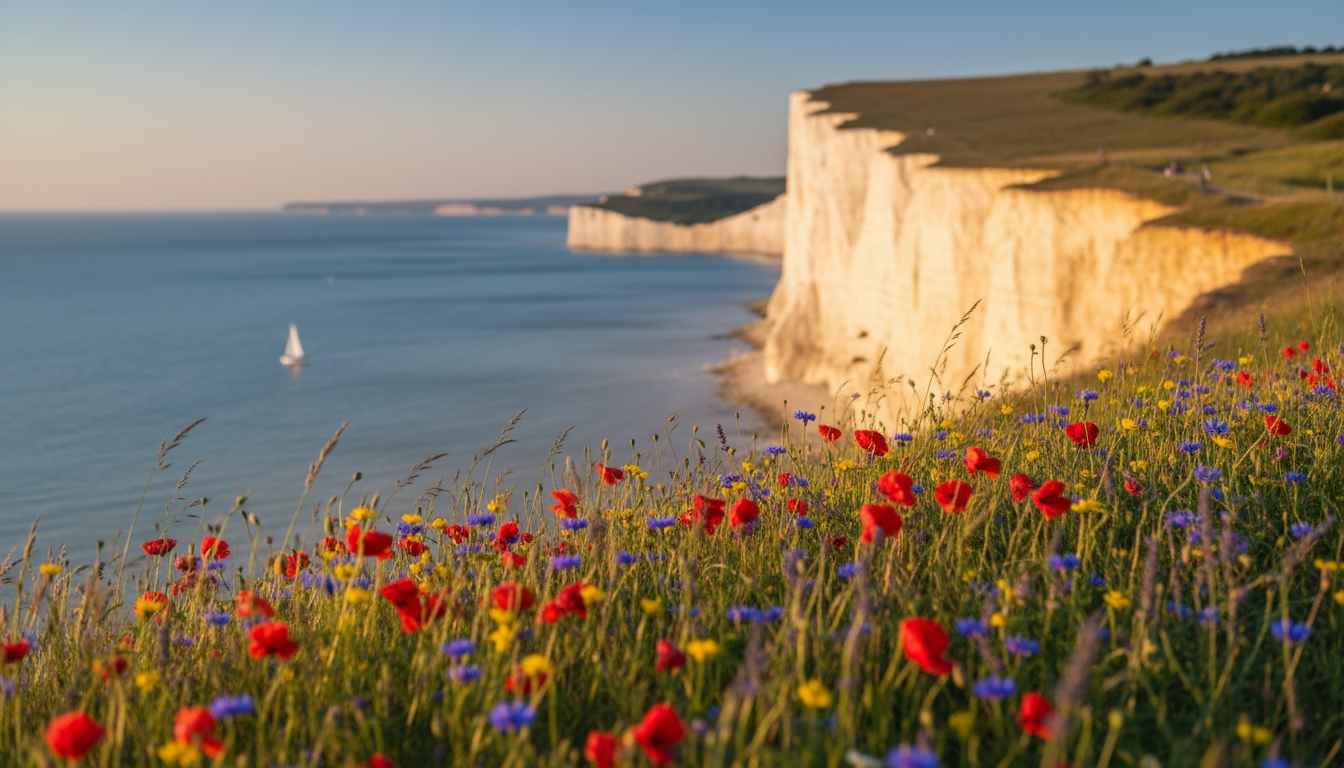
Dover pairs two of the region’s great sights. Dover Castle, long called the key to England because of its position guarding the narrowest part of the Channel, is a vast fortress with medieval towers, wartime tunnels and views across to France on a clear day. A short walk away, the White Cliffs offer a bracing coastal path with views that explain why this coastline has mattered for centuries. Wear sturdy shoes and check the weather — the cliff path is exposed in wind and rain.
Brighton: Seaside Energy
Brighton is the southeast’s liveliest seaside city. Its pier, pebble beach, Regency squares and the warren of lanes filled with independent shops and cafes make it an easy, walkable day out. The Royal Pavilion, with its extraordinary Indian-inspired exterior and Chinese-style interiors, is the city’s most surprising sight and well worth the entry. Brighton works in any season, though summer weekends are busy — arrive early or visit midweek if you can.
Hastings and Battle: 1066 Country
Hastings and the nearby town of Battle tell the story of 1066. In Hastings, the old town, fishing quarter and castle ruins sit alongside a working fishing beach, while Battle Abbey stands on the field where the Battle of Hastings was fought, with a battlefield trail that explains the day’s events. Together they make a satisfying history day, especially combined with a walk along the coast between Hastings and the surrounding cliffs.
South Downs and the New Forest: Walking Country
For outdoor days, head for the two national parks that fall largely within the region. The South Downs National Park runs across Hampshire and Sussex, with rolling chalk hills, ancient hill forts and long-distance trails such as the South Downs Way. The New Forest, in Hampshire, offers a different landscape: ancient woodland, open heath and free-roaming ponies, with flat, family-friendly cycle routes. Both are best explored on foot or by bike, with a village pub as the natural end point.
Arundel, Winchester and Leeds Castle
Smaller towns and castles fill out the region beautifully. Arundel, in West Sussex, is dominated by its castle and cathedral, set above the River Arun, and makes a peaceful half-day stop. Winchester, the ancient capital of England, offers a great cathedral, a medieval Great Hall and a compact, walkable centre. In Kent, Leeds Castle — a moated castle set in parkland — suits families and garden lovers alike. These are the places that turn a southeast trip from a list of big names into a proper journey.
The Isle of Wight: A Slower Island Pace
A ferry ride from Portsmouth or Southampton takes you to the Isle of Wight, where the pace drops noticeably. Its beaches, coastal paths, the Needles chalk stacks and the island’s small towns reward two or three unhurried days rather than a flying visit. If you are travelling from London, the island pairs well with a night in Portsmouth or Southampton on either side of the crossing.
Oxford: Colleges, Museums and River Walks
Oxford, in Oxfordshire, belongs firmly to the southeast, and its colleges, museums and river walks make it one of England’s great city breaks. The university colleges, the Ashmolean Museum and a walk along the Thames or Cherwell fill a full day easily, and the city also works as a base for the surrounding Cotswold-edge countryside. Book college visits in advance where required, and expect the centre to be busy in term time.
Planning Your Southeast Trip
The region is well served by trains from London, and most of the places above work as day trips — though Canterbury, Brighton and the Isle of Wight all deserve a night. Spring and early autumn offer the best balance of weather and crowds for walking and gardens, while summer suits the coast and winter suits cathedral cities and museums. If you are planning a wider English trip, places to visit near London in winter overlap helpfully with the southeast, since several of these destinations are London day trips in their own right.
FAQ
What is the best base for exploring the southeast of England?
London works for day trips, but Canterbury, Brighton or Winchester make better bases if you want to slow down and avoid daily return journeys.
How many days do you need in the southeast?
Three to five days cover the highlights comfortably. A single day trip is enough for one city or coastal town, but not for the region as a whole.
Is the southeast of England good for families?
Yes. Castles, beaches, national parks and hands-on museums give families plenty of choice, and most destinations are compact and walkable.
Final Thoughts
The southeast of England works because it does not ask you to choose between history, coast and countryside — it offers all three within short distances. Start with Canterbury or Dover for history, add Brighton or the Isle of Wight for the coast, and finish with a walk in the South Downs or the New Forest. Done at that pace, the region feels less like a checklist and more like a proper English holiday.