Bulgaria in winter is one of Europe’s best-value cold-weather destinations. You get real ski resorts, snow-covered mountains, historic towns with festive markets, and hearty food — at prices well below the Alps. This guide covers where to go, what each place is best for, and what to know before you book.
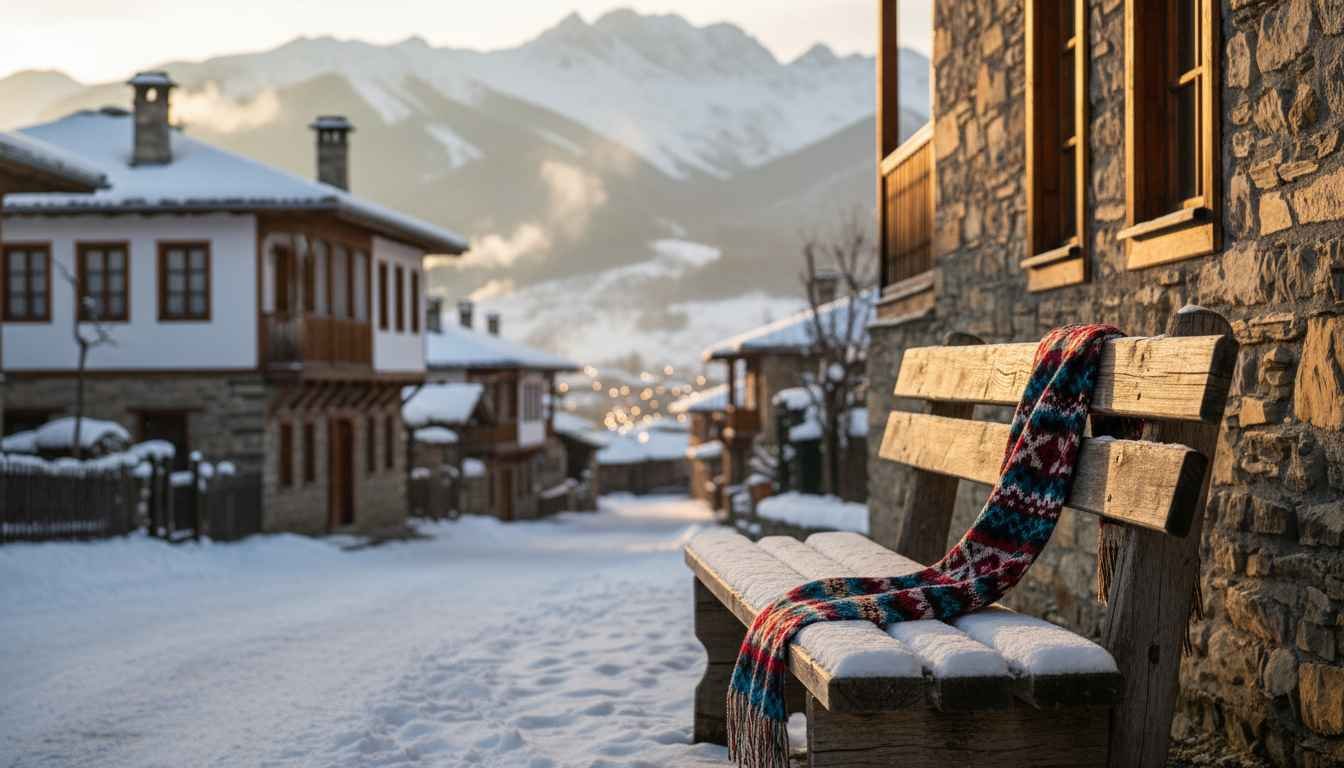
The winter season generally runs from December to March, with the most reliable snow in January and February. Resorts vary in altitude and snowmaking, so check conditions for your dates rather than assuming every slope is open all season.
Bansko: Bulgaria’s Biggest Ski Resort
Bansko, in the Pirin Mountains, is Bulgaria’s largest and best-known ski resort, with the country’s longest ski season and a large lift-served area. The town itself is a bonus: a historic old town with stone houses, taverns serving traditional Bulgarian food, and lively après-ski. Bansko suits confident skiers best, as the main gondola queues can be long at peak times — go midweek or early in the day if you can. Beginners will find gentler nursery areas, but should expect a busy resort.
Borovets and Pamporovo: Quieter Alternatives
Borovets, the oldest ski resort in Bulgaria and the closest to Sofia (about an hour’s drive), is a good all-rounder with tree-lined runs and night skiing on some slopes. Pamporovo, in the Rhodope Mountains, is the sunniest of the three and the most beginner-friendly, with wide, gentle slopes that suit families and first-timers. If Bansko’s crowds put you off, either of these is a calmer, cheaper alternative.
Sofia: A Winter City Break
Sofia, the capital, works well as a winter city break on its own or as a gateway to Borovets. Vitosha Mountain rises directly behind the city, with its own small ski area and winter walking trails. In the city, Alexander Nevsky Cathedral, the Central Market Hall, and the city’s mineral baths and museums are all easy winter sightseeing, and the festive markets in December add atmosphere. Sofia’s compact centre is walkable, though icy pavements deserve proper footwear.
Plovdiv and Veliko Tarnovo: History in the Snow
Plovdiv, one of Europe’s oldest continuously inhabited cities and a European Capital of Culture in 2019, is lovely in winter: a Roman theatre, a colourful old town, and Kapana’s creative quarter with cafés and craft shops. Veliko Tarnovo, the medieval capital, is more dramatic — its fortress, Tsarevets, sits above a bend in the Yantra River, and snow makes the old town’s hillside houses look like a postcard. Both are quieter in winter than in summer, which is part of their charm.
Rila Monastery and the Mountains
Rila Monastery, a UNESCO World Heritage Site tucked into the Rila Mountains, is stunning against snow-covered peaks and is reachable as a day trip from Sofia. Winter roads can be tricky, so consider a guided tour or check road conditions before driving yourself. The surrounding Rila Mountains also offer winter hiking and snowshoeing for experienced walkers, but mountain weather is serious — go with a guide unless you know the terrain.
Winter Festivals and Traditions
Winter in Bulgaria comes with distinctive traditions. The Kukeri festivals, held in various towns in January and February, feature performers in elaborate fur costumes and masks, bells clanging to drive away evil spirits — the best-known gatherings are in Pernik and Razlog. Christmas and New Year markets, Orthodox Christmas on 7 January in some communities, and village winter customs give a cultural layer that a ski-only trip misses. Check dates locally, as festival schedules vary by town and year.
Practical Tips for Bulgaria in Winter
Fly into Sofia for Borovets and western Bulgaria, or Plovdiv for Pamporovo. Renting a car gives the most freedom, but winter driving in the mountains needs care and winter tyres. Bulgaria remains good value by European standards, but lift passes, lessons, and equipment hire vary by resort — compare packages before booking. For more winter-destination ideas, see our guide to best places to visit in Slovakia in winter, and for the wider region, our guide to unusual places to visit in Eastern Europe.
FAQ: Bulgaria in Winter
When is the best time to visit Bulgaria in winter?
January and February offer the most reliable snow for skiing. December brings festive markets but less certain snow at lower resorts; March can be sunny with spring-like days in the towns.
Is Bulgaria good for beginner skiers?
Yes — Pamporovo is especially beginner-friendly, and Borovets has good learner areas. Bansko suits intermediates and confident skiers better, though it has nursery slopes too.
Is Bulgaria in winter suitable for families?
Yes. Resorts offer ski schools, family accommodation, and non-ski activities, and towns like Plovdiv and Veliko Tarnovo are easy, walkable family sightseeing.
Do I need a car in Bulgaria in winter?
Not for Sofia or a single resort, where transfers are available. A car helps a lot for combining resorts, Rila Monastery, and historic towns, but check mountain road conditions in winter.
Final Thoughts
Bulgaria in winter gives you the full cold-weather package — skiing, snow, history, and festivals — without Alpine prices. Pick one resort, add a historic town, and leave a day for the unexpected: a village festival, a mountain view, or a long lunch in a Bansko tavern.