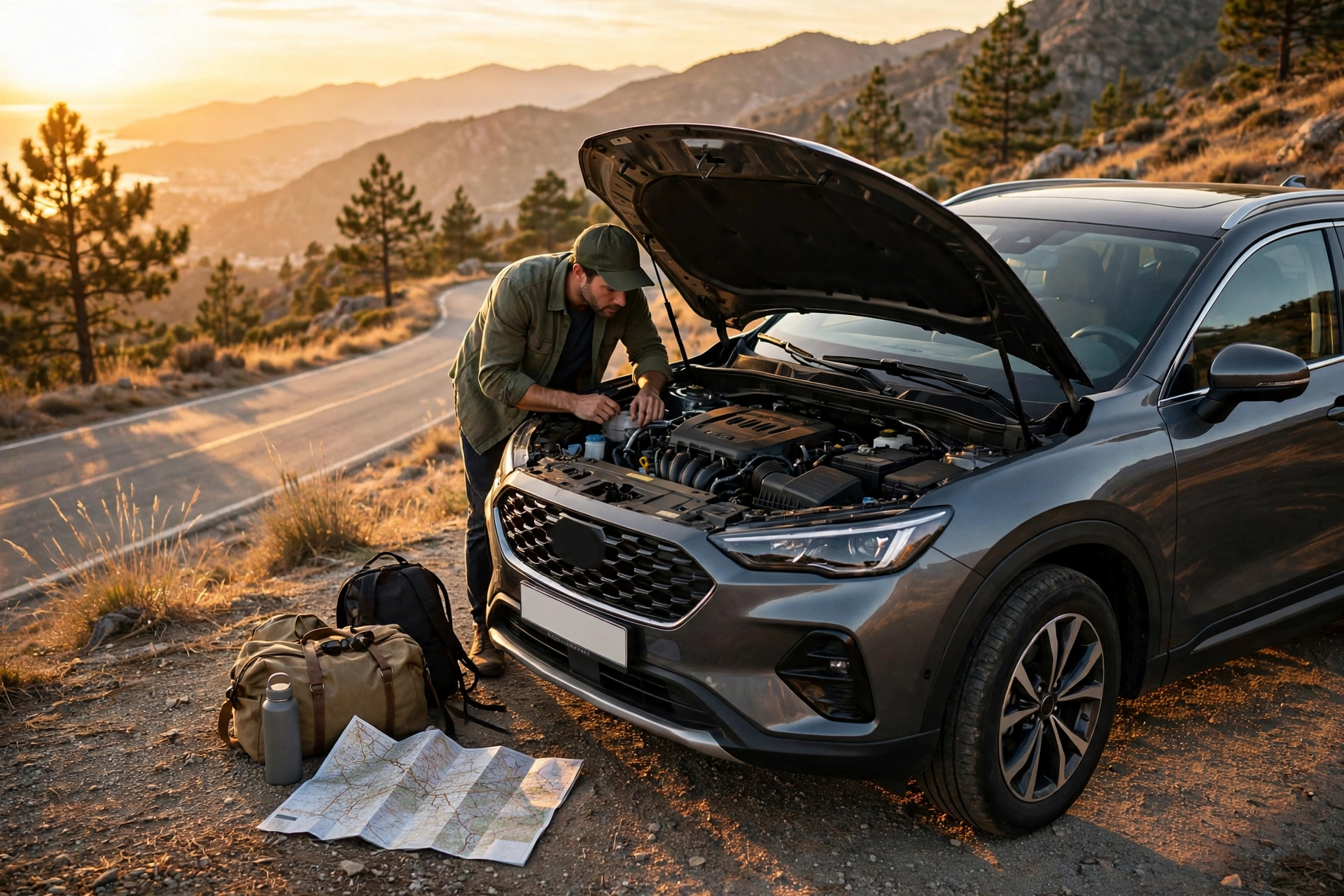
Picture your Polaris RZR at the edge of a trail network, with a paved road leading to the next trailhead — and no trailer in sight. That is the promise of a street-legal kit: the lights, signals, mirrors and other equipment that can help an off-road machine meet the requirements for public roads. It is also a promise that needs careful handling, because whether a RZR can legally run on the road depends far more on where you live than on what you buy.
What a Street-Legal Kit Typically Includes
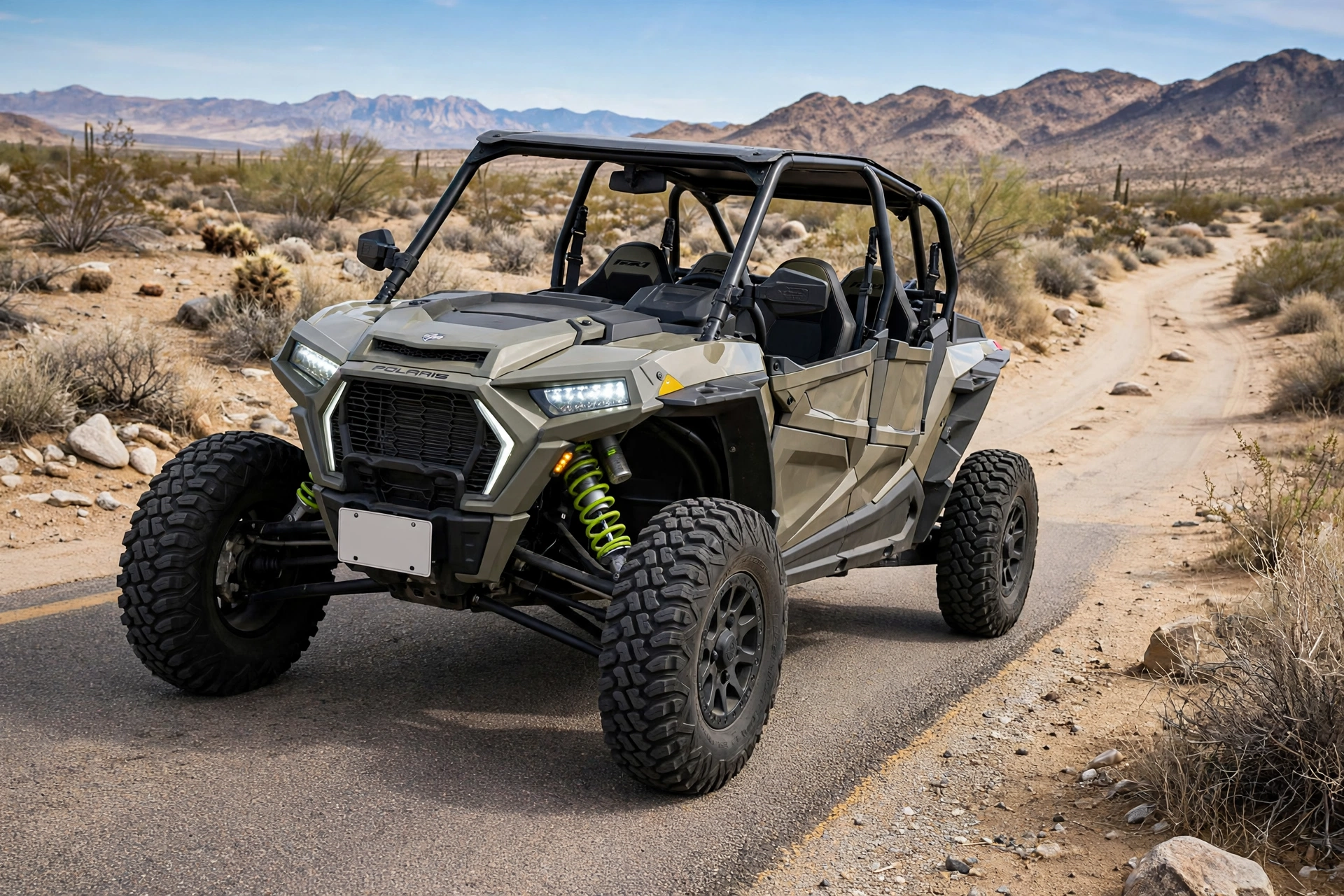
Most kits centre on the same core equipment: headlights and tail lights, turn signals, a horn, mirrors, and reflectors, with some kits adding a windshield, a licence-plate bracket with light, and tyres rated for road use. The exact contents vary by manufacturer and by RZR model, so model fit matters — a kit designed for one RZR generation may not fit another without modification. Wiring harnesses, switches and mounting hardware are usually included, and installation difficulty ranges from a straightforward afternoon job to a task best left to a workshop, depending on the kit and your experience.
The Critical Point: Legality Varies by State and Locality
No kit, on its own, makes a RZR street-legal everywhere. In the United States, rules for utility task vehicles (UTVs) differ sharply by state, and often by county or town within a state. Some states allow registered UTVs on certain public roads, sometimes only on roads below a set speed limit or outside urban areas. Others do not allow UTVs on public roads at all, or allow them only for agricultural or local-government use. A kit can supply the equipment a state requires, but it cannot override a state that prohibits road use, and requirements for registration, plates, insurance and inspection vary just as much.
Before buying anything, check three things: your state motor-vehicle agency’s current rules for UTVs, your county or town ordinances, and your insurer’s position on road use. Keep that information in writing, and treat any seller’s claim of universal legality with scepticism — a kit that is compliant in one state may not satisfy another state’s equipment or registration rules. This article is general information, not legal advice, and the rules that apply to your machine are the ones in force where you plan to ride.
Choosing a Kit That Fits Your RZR and Your Roads
Start with fit: confirm the kit matches your exact RZR model and year, and that its lights, switches and harness are designed for your machine’s electrical system. Next, check the equipment list against your state’s requirements — if your state requires a windshield, wipers or a specific mirror configuration, a basic light-and-signal kit will not be enough. Look for road-rated tyres if you plan regular road miles, since off-road tyres wear quickly on pavement and handle differently. Finally, compare warranties and support: a kit with clear instructions, replacement parts and a responsive supplier is worth more than a cheaper kit that leaves you guessing during installation.
Registration, Insurance and Inspection
Equipment alone rarely completes the process. States that allow road use for UTVs typically require some combination of registration, a licence plate, insurance and sometimes a safety inspection, and the details differ widely. Ask your motor-vehicle agency exactly what paperwork your RZR needs, whether road use is limited to certain road types, and whether a standard driving licence is sufficient. Keep copies of your registration and insurance with the vehicle, and re-check the rules if you move or plan to ride in another state, since a machine that is road-legal at home may not be road-legal across a state line.
Installation and Safety Basics
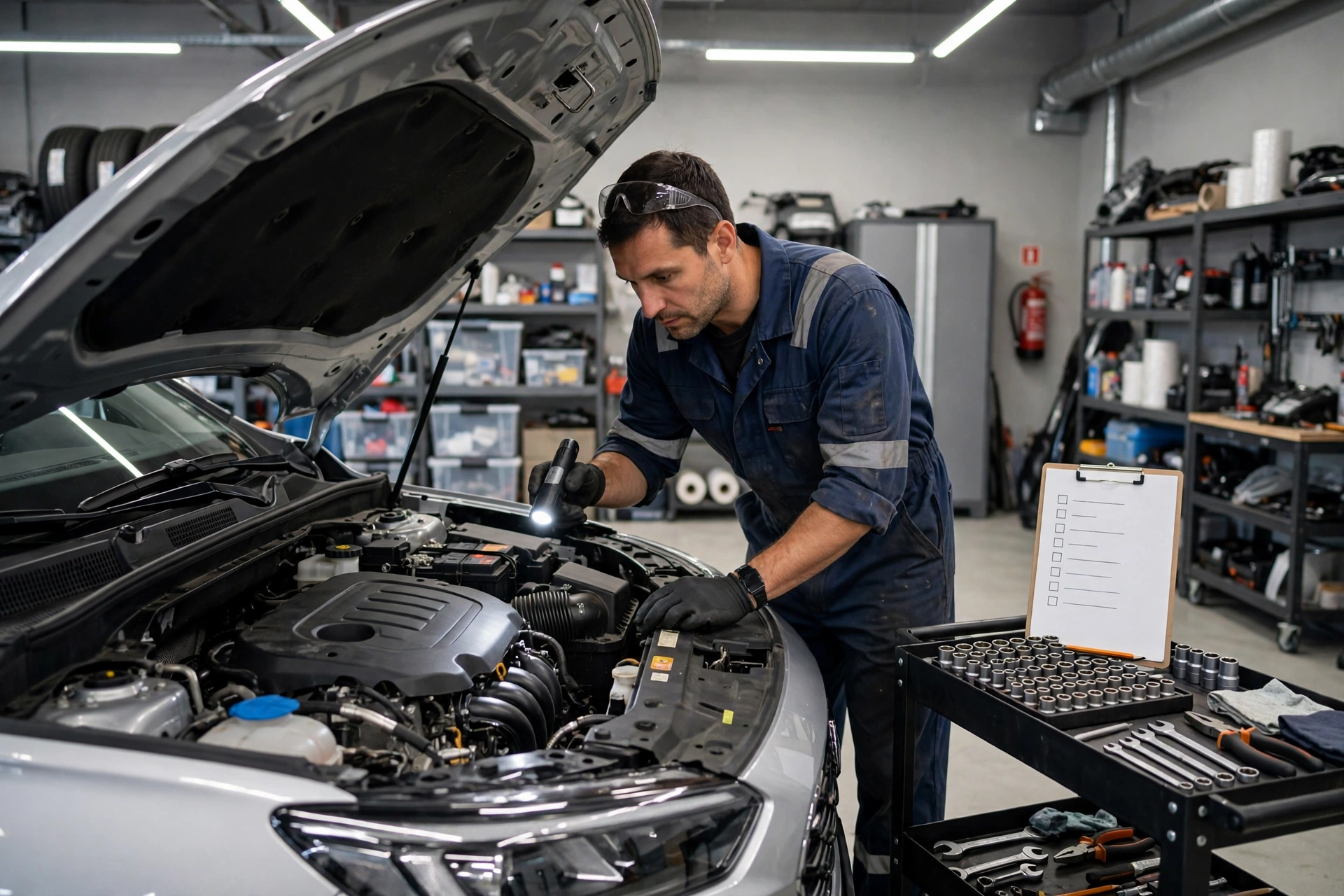
Installation usually means mounting lights and mirrors, routing wiring, fitting switches and testing every circuit before the first road ride. Take time over wiring: loose connections and unprotected wires cause most kit failures, and a turn signal that works in the garage but fails on the road is a safety problem, not just an inconvenience. After installation, test headlights, brake lights, turn signals and horn, check mirror adjustment from the driver’s seat, and confirm tyres are inflated to road pressures. If any part of the job involves your machine’s electrical system and you are unsure, a qualified workshop is the safer choice — and for vehicle servicing more broadly, a reputable local garage such as Tanager Street Auto Service or Nauset Auto Service can advise on the maintenance side of road use.
Maintenance for Road-Used Machines
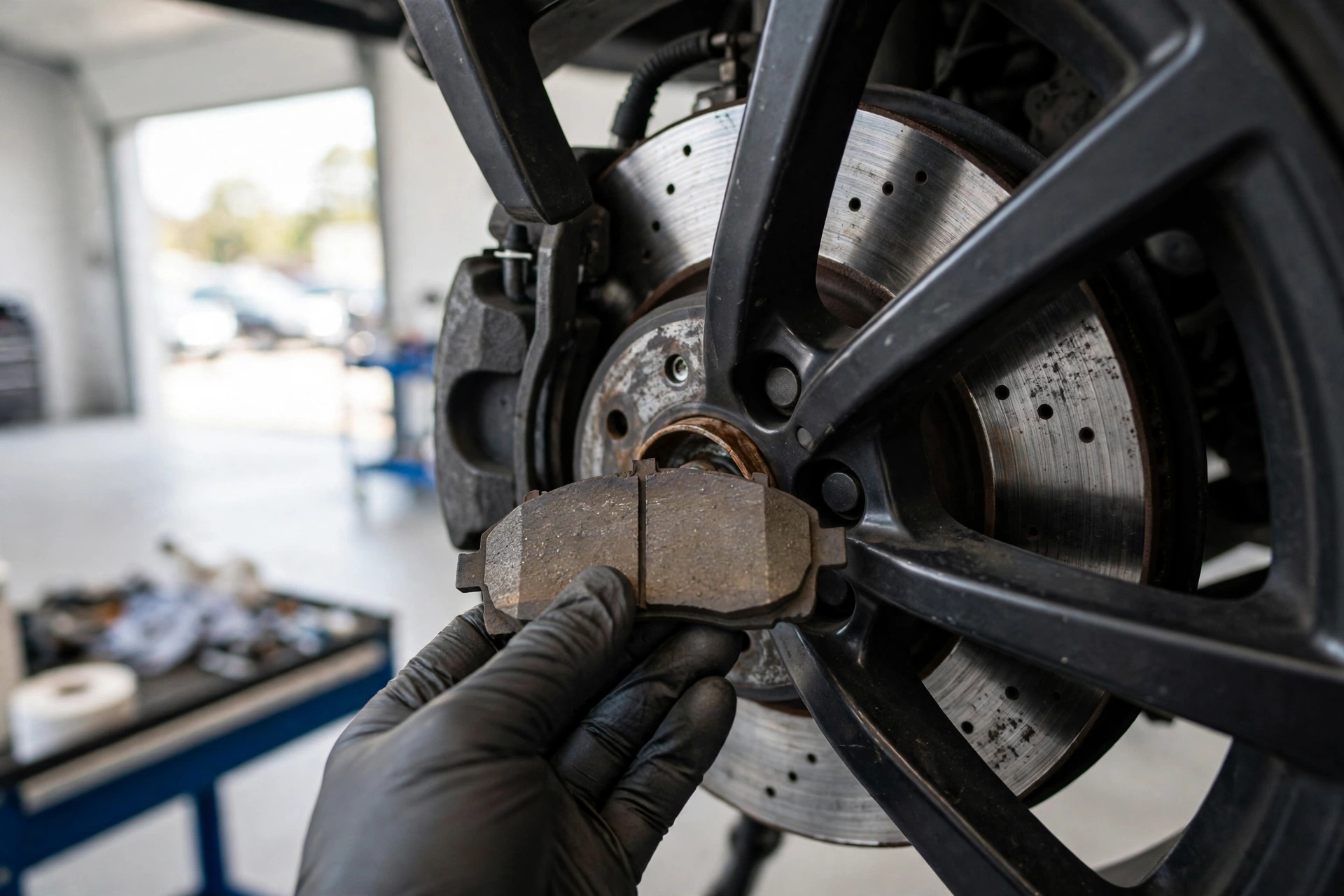
Road miles add different wear from trail miles. Check lights, signals and mirrors before each road ride, inspect tyres for road wear and damage, and keep electrical connections clean and protected from moisture. Brake and suspension components also deserve regular checks, since road speeds and surfaces load them differently from low-speed trail work. A short pre-ride check takes minutes and catches most problems before they become roadside failures.
FAQ
Does a street-legal kit make my RZR legal on all roads?
No. Road legality depends on your state and local rules, registration, insurance and inspection requirements. A kit supplies equipment; it does not grant road rights on its own.
What does a typical kit include?
Usually headlights, tail lights, turn signals, a horn, mirrors and reflectors, with some kits adding a windshield, plate bracket and road-rated tyres. Contents vary by manufacturer and model.
Can I install a kit myself?
Many owners do, but it depends on the kit and your comfort with vehicle wiring. If you are unsure about the electrical work, use a qualified workshop.
Final Thoughts
A street-legal kit is best understood as one part of a larger process: the right equipment, fitted to the right machine, in a place where the law actually allows road use, with registration and insurance in order. Get the legal check done first, choose a kit that matches both your RZR and your state’s requirements, and the road between trailheads becomes a real option — rather than an expensive assumption.