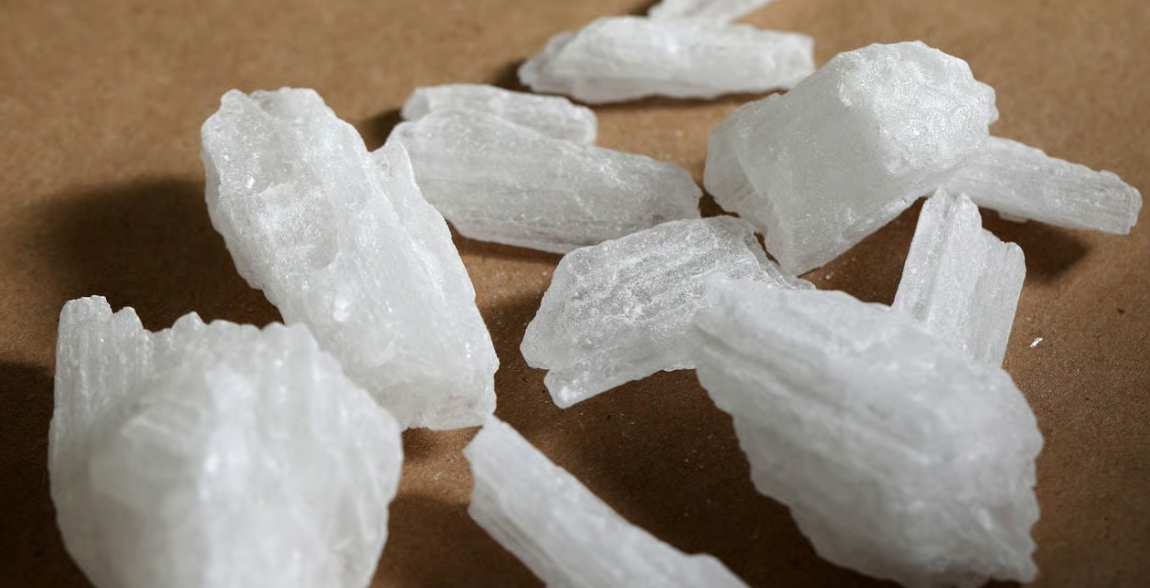
Crystal methamphetamine — usually called crystal meth — is a powerful stimulant drug with a high risk of addiction. Beyond the health risks, using, possessing, or supplying it carries serious legal consequences and deep social costs that can follow a person for years after they stop. This article explains those consequences honestly, without exaggeration and without minimising them, and points to where help is available.
This is general information, not legal advice. Drug laws vary widely, and anyone facing a charge or a legal question should speak to a qualified lawyer in their own jurisdiction.
What the Law Says, in General Terms
In the United States, methamphetamine is a Schedule II controlled substance under federal law, meaning it is recognised as having a high potential for abuse with severe dependence risk. Possession, manufacture, and distribution are criminal offences at both federal and state level, and the exact charge and penalty depend on factors such as the amount involved, whether distribution is alleged, prior convictions, and the state where the offence occurred.
That variation matters. Two people caught with the same amount in different states can face very different charges, fines, and sentences, and federal charges can apply in larger or cross-border cases. No article can state a single penalty that applies everywhere, and any source that promises one should not be trusted.
Legal Consequences Beyond the Courtroom
A drug conviction often carries consequences that last far longer than a fine or a sentence:
- A criminal record that appears in background checks and can affect employment, professional licensing, and housing applications.
- Travel restrictions, since some countries refuse entry to people with drug convictions.
- Family and custody effects, because courts may consider drug use in custody and child-welfare decisions.
- Probation conditions such as drug testing, treatment requirements, and restrictions on travel and association.
- Immigration consequences for non-citizens, where a drug offence can affect visas, residency, and removal proceedings.
Buying online or from overseas does not remove these risks. Law enforcement monitors online drug markets, intercepted shipments can trigger investigations, and an international transaction can add further charges rather than providing cover.
Social and Personal Consequences
Meth use reshapes daily life in ways that go well beyond the law. Relationships with family and friends often break down under secrecy, conflict, and broken trust. Work suffers through absenteeism, impaired performance, and job loss, and the resulting financial strain can lead to debt and housing instability.
Isolation is common: stigma keeps many people from seeking help, and the drug itself can cause paranoia, agitation, and poor judgement that damage relationships further and increase the risk of unsafe situations and exploitation. Rebuilding after recovery takes time — trust, employment history, and community standing are not restored the day use stops, even though recovery itself is entirely possible.
Health Consequences That Drive the Rest
The social and legal fallout is often driven by the drug’s health effects. Meth use can cause severe dental problems, skin sores from picking, weight loss, sleep disruption, anxiety, paranoia, and, with heavy or prolonged use, lasting cognitive and mental health problems. Overdose is also a real risk, particularly when meth is mixed with opioids such as fentanyl — a combination that has become increasingly common and dangerous. Anyone who suspects an overdose should call emergency services (911 in the United States) immediately.
For a related look at how mental health and everyday wellbeing connect, see this guide from Vista Mental Health Medical Group on navigating modern mental wellness.
Getting Help
The most reliable way to avoid the legal and social consequences of meth use is to stop and to get support — and support is available without judgement. In the United States, the Substance Abuse and Mental Health Services Administration (SAMHSA) runs a free, confidential National Helpline at 1-800-662-4357, open 24 hours a day, every day of the year, in English and Spanish, offering treatment referrals and information. More detail is available at samhsa.gov/find-help/national-helpline. For a mental health or suicidal crisis, call or text 988 in the United States.
If you are supporting someone else, the most useful steps are practical ones: stay in contact, avoid shaming language, help them find treatment options rather than issuing ultimatums you cannot enforce, and look after your own wellbeing too. Family support groups and counselling exist for relatives as well as for the person using.
Frequently Asked Questions
Is crystal meth illegal everywhere?
It is illegal for non-medical use in almost every country, though penalties, enforcement, and treatment options vary greatly. Some jurisdictions emphasise treatment and diversion programmes, while others emphasise imprisonment — the law where you live is the one that applies to you.
Does a first offence always mean prison?
No. Outcomes depend on the jurisdiction, the amount, the circumstances, and prior history. Some first-time possession cases result in diversion, treatment programmes, fines, or probation rather than prison — but that is never guaranteed, and a lawyer is the right person to assess a specific case.
Can a drug conviction be removed from a record?
Sometimes, through expungement or record-sealing, depending on the jurisdiction and the offence. The rules differ widely, so this is another question for a local lawyer.
Where can I get help right now?
In the United States, call SAMHSA’s National Helpline at 1-800-662-4357 (free, confidential, 24/7) or call or text 988 in a crisis. Outside the United States, look for your country’s national drug helpline or local treatment services.
Final Thoughts
The legal and social consequences of crystal meth use are severe, long-lasting, and often wider than people expect — reaching employment, housing, travel, family life, and health. Understanding those consequences is not about fear; it is about making informed choices and knowing that help is available, confidentially and without judgement, for anyone ready to seek it.