Step off the train in Pyin Oo Lwin and the air feels different from the lowlands below: cooler, scented with pine and flowers, and unhurried. This former British hill station, once known as Maymyo, sits on a plateau above Mandalay, and it is still the place people go to escape the heat. Botanical gardens, colonial-era streets, waterfalls and pagodas fill a few gentle days here — provided you plan carefully and check current travel advice for Myanmar before you go, as conditions can change.
National Kandawgyi Botanical Gardens
The National Kandawgyi Botanical Gardens are the town’s best-known attraction, and they deserve a full morning. Laid out in the colonial era and covering a large area of lawns, lakes and forest, the gardens hold thousands of plant species, including orchid collections and native trees. Wide paths make them easy to explore on foot, and the lake, aviary and bamboo groves give the visit variety beyond flower beds.
Go early, when the light is soft and the gardens are quietest, and bring water — the site is large and the paths add up. The gardens are also one of the best places in town for photography, especially in the cooler months when the flower displays are at their strongest.
Colonial Streets and Purcell Tower
Pyin Oo Lwin’s second pleasure is simply walking its streets. Churches, old government buildings, schools and large private houses from the British era line the roads, many of them still in use, and the town’s grid layout makes it easy to explore without a map. Look out for the horse-drawn carriages that still work the town centre — a leftover from the hill-station days that has become part of the local character.
The town’s landmark is Purcell Tower, the clock tower in the centre, a useful meeting point and a good place to start a walk. Around it you will find markets, tea shops and small restaurants where you can sit with a sweet Burmese tea and watch the town go by.
Pwe Kauk Falls and the Surrounding Hills
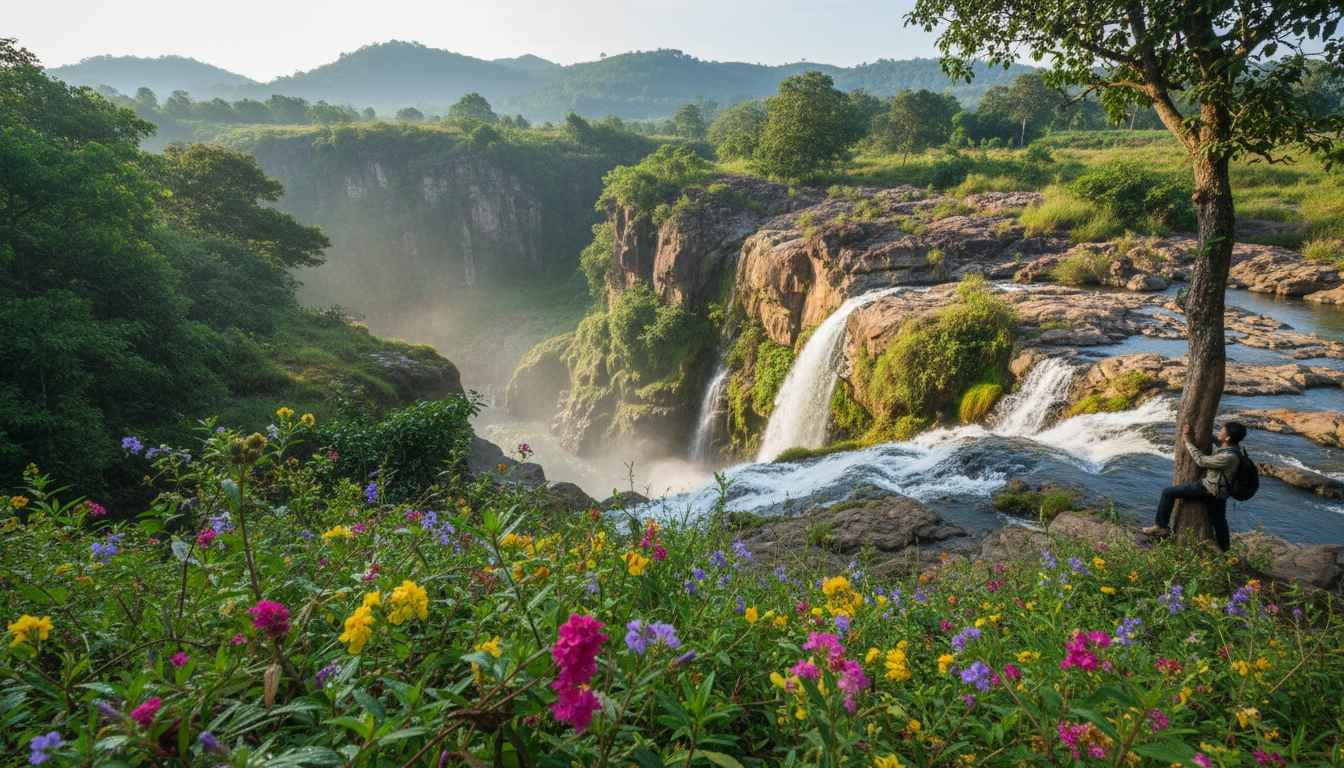
A short drive from town, Pwe Kauk Falls — also known as Hampshire Falls — drops through wooded hills and is a popular picnic spot. The falls are at their fullest after the rains, and the surrounding trails offer short walks through forest where you may spot birds and butterflies. Wear sturdy shoes, as paths can be slippery, and treat the site as a half-day outing rather than a quick photo stop.
The hills around Pyin Oo Lwin are also home to strawberry and coffee farms, and several small plantations welcome visitors. A farm visit, combined with the falls, makes an easy and relaxed day out of town.
Pagodas, Monasteries and Local Life
Pyin Oo Lwin’s religious sites are quieter than the famous pagodas of the lowlands, and that is part of their charm. Small pagodas and monasteries are scattered through the town and its outskirts, and visitors are welcome to look around respectfully — remove shoes, dress modestly and keep voices low inside shrine halls.
For a sense of everyday life, spend time in the central market, where vendors sell fruit, flowers, vegetables and local snacks, and where crafts such as weaving and preserves from nearby farms are on display. The market is at its liveliest in the morning, and it is the best place to buy strawberries, jams and coffee grown in the surrounding hills.
Tea Shops, Food and the Town’s Slower Rhythm
One of Pyin Oo Lwin’s simplest pleasures costs almost nothing: sitting in a tea shop. Tea shops are the town’s social heart, serving sweet milk tea with fried snacks and noodle soups, and they are where you will hear the town’s unhurried rhythm most clearly. Breakfast here is a leisurely affair, and an hour spent watching the street from a low table tells you more about the place than any single sight.
Local restaurants tend to be small and family-run, serving Burmese and Shan-influenced dishes alongside Chinese-influenced cooking, and the strawberries and coffee grown in the surrounding hills appear on menus and market stalls throughout the cooler months. Eat where you see local people eating, try the market snacks, and keep meals simple — the town’s food is at its best when it is fresh and uncomplicated.
Getting Around and Practical Tips
Pyin Oo Lwin is compact enough to explore the centre on foot, while taxis and shared pickups cover the gardens, falls and outlying sites. Many visitors arrive from Mandalay, roughly an hour or so away by road, and combine the two — the cool hills make a natural contrast to Mandalay’s heat and temples.
The most comfortable months are generally the cooler, drier part of the year, when walking is pleasant and the gardens are at their best. Whatever the season, check the latest official travel advice for Myanmar before booking, confirm transport locally, and keep plans flexible — timetables and access can change at short notice.
FAQ: Visiting Pyin Oo Lwin
How long should you spend in Pyin Oo Lwin? Two days cover the gardens, colonial streets, falls and market comfortably; a third day allows a farm visit or a slower pace.
Is Pyin Oo Lwin suitable for families? Yes — the gardens, gentle walks and carriage rides suit children well, and the cooler climate makes sightseeing easier than in the lowlands.
What should you buy there? Local strawberries and jams, hill-grown coffee and woven goods from the market are the most distinctive souvenirs.
Final Thoughts
Pyin Oo Lwin is not a place of headline monuments. Its appeal is gentler: cool air, gardens in bloom, streets that still carry their colonial history, and waterfalls a short drive away. Come for a slow couple of days, check conditions before you travel, and let the town set its own unhurried pace. For more Southeast Asian travel ideas, see our guide to the best place to visit in Vietnam and top ten places to visit in Cambodia.