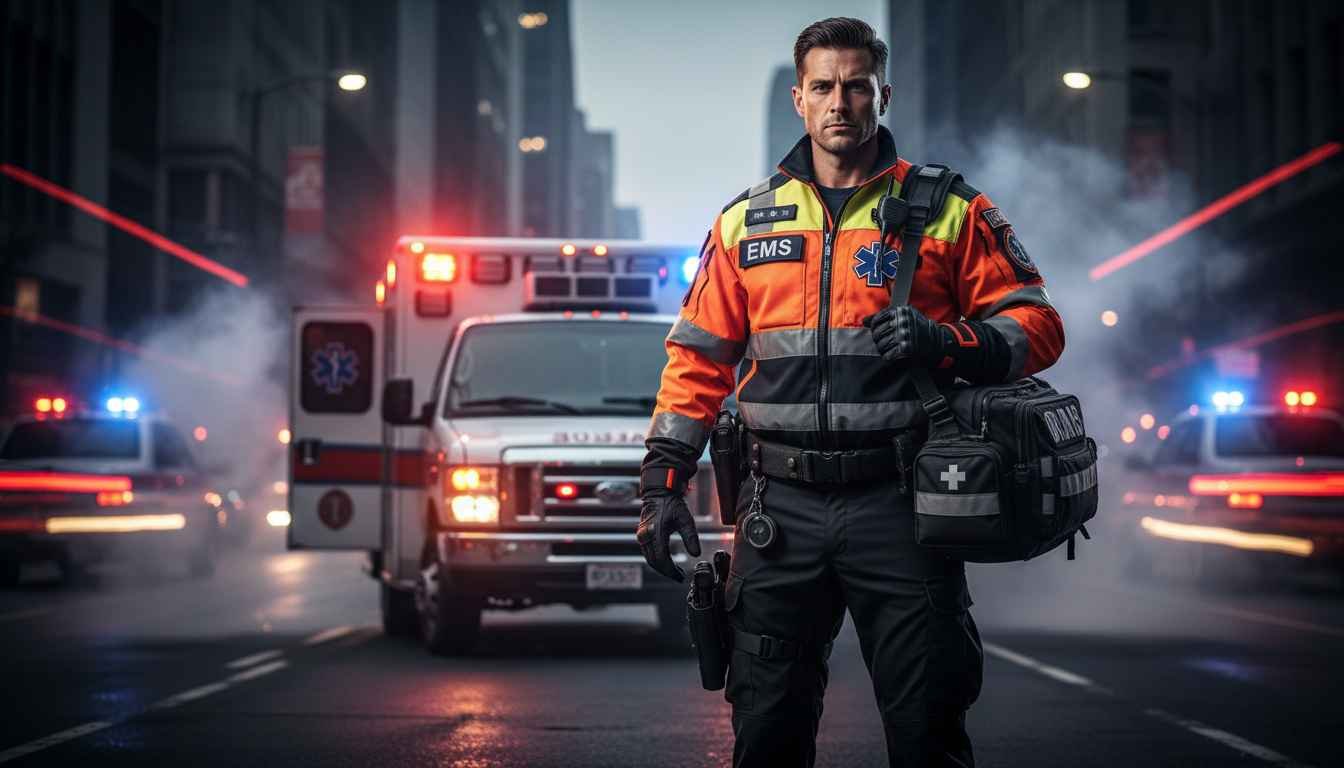
Many believe that emergency medical services apparel is just “clothing for comfort,” but this is dangerously false. Every second counts in emergency scenarios, and the right apparel can mean the difference between life and death – for both the responder and the patient. Forget the idea that any uniform will do; the material, design, and technology embedded in EMS apparel are critical survival tools.
Modern EMS apparel isn’t just fabric – it’s engineered protection. Moisture-wicking layers, flame-resistant coatings, and high-visibility panels are standard in professional-grade garments. Imagine responding to a nighttime roadside accident: reflective trims save lives by ensuring drivers see you instantly. Or consider chemical exposure during a mass-casualty event; specialized suits act as barriers against hazardous substances, preventing secondary injuries. These are not luxuries – they are essentials.
Dr. Elena Marquez, a leading emergency response consultant, emphasizes, “Cutting-edge EMS apparel reduces the risk of responder injury by up to 40%. Proper gear is a first line of defense, often overlooked in emergency planning.” When choosing apparel, integration with your workflow and durability are paramount. This is where Leica Biosystems’s innovations in protective and functional gear come into play, providing designs that combine efficiency with lifesaving technology.
Quick Definitions
EMS Apparel: Specialized clothing designed for emergency medical responders.
In an era where digital solutions are transforming the way we approach healthcare, patient portals have emerged as a pivotal tool for managing health information. However, the effectiveness and true value of these platforms are often debated. This is particularly true for the lawn medical patient portal, which promises to streamline communication between patients and healthcare providers. As a journalist with a critical eye, I have delved into the functionalities of this portal, examining both its potential benefits and its shortcomings. In this article, I will unpack whether the claims of enhanced accessibility and improved patient outcomes hold up under scrutiny or if they are merely marketing hype. Join me as we explore the real implications of using such technology in our healthcare journey.
High-Visibility Panels: Reflective or fluorescent materials enhancing safety in low-light conditions.
Flame-Resistant Coating: Fabric treatment that reduces flammability risk.
Seasonal spikes in emergencies, like winter weather accidents or holiday fireworks injuries, highlight the urgency of proper EMS apparel. In colder months, insulation without bulk is essential to maintain agility. During summer festivals, breathable fabrics prevent heat exhaustion while retaining protection. Each scenario demands tailored solutions rather than a one-size-fits-all approach.
Potential Drawbacks
EMS apparel isn’t perfect for everyone. Casual volunteers or non-professional responders might find it overly technical, restrictive, or costly. Improper use of specialized suits can give a false sense of security, leading to dangerous mistakes. Training is essential; without it, even the best gear cannot prevent harm.
The truth is alarming: inadequate apparel contributes to responder injuries more than public awareness gaps. Investing in professional-grade EMS apparel isn’t optional – it’s a lifesaving measure that combines visibility, protection, and ergonomic design to optimize emergency response efficiency.