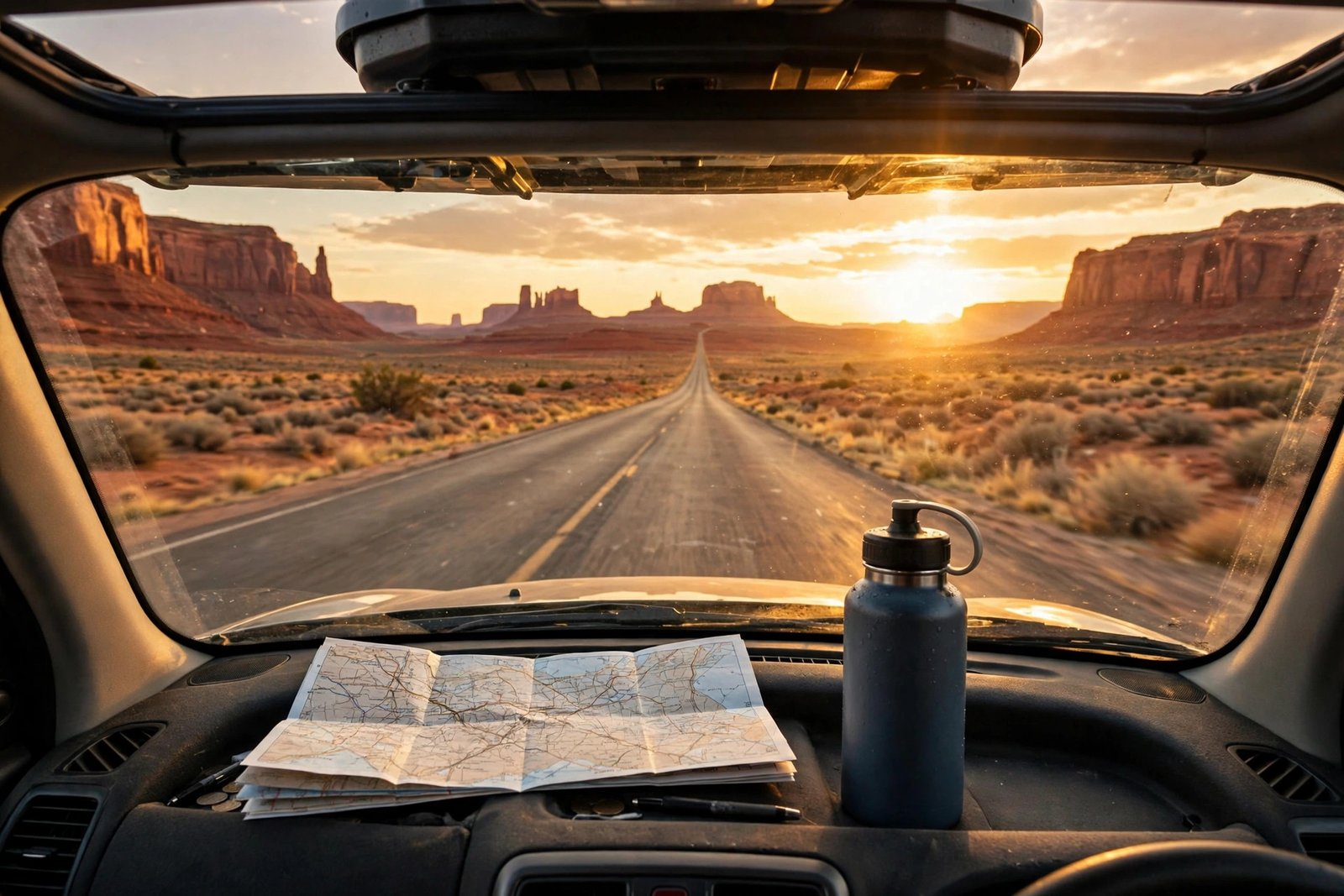
Picture this: the windows are down, your favorite playlist is on, and a line of red mesas is sliding past your windshield. An American road trip is one of the most freeing experiences you can have — and it does not have to drain your bank account. With a little planning, a road trip across the United States can be cheaper than a single week at a beach resort.
Here is how to plan a road trip on a budget in the USA, step by step — from setting a realistic budget to choosing your route, your sleep, your food, and your fuel, all without missing the magic of the open road.
Start With a Realistic Budget, Not a Dream
Before you book anything, work out what the trip will actually cost. A road trip has five big spending categories: fuel, sleep, food, entertainment, and a small emergency buffer.
A practical way to estimate is to cost them one at a time. Take your total route miles and divide by your car’s miles per gallon, then multiply by the current average gas price along your route (the AAA fuel price tracker is a good source for state-by-state averages). Add your nightly lodging cost, a daily food allowance, and entrance fees for anything ticketed. Then add a 10–15% cushion for surprises — a flat tire or a detour you cannot resist.
Write the numbers down before you leave. A budget you can see is a budget you can keep.
Plan Your Route Around Anchor Stops
The single biggest money decision on a road trip is the route. Long, wandering routes burn fuel and rack up extra nights. Instead, pick two or three “anchor stops” — places you genuinely want to spend time — and build the driving days around them.
Interstates are faster but dull; scenic byways are slower but give you the views you actually drove for. A smart compromise is to take the interstate for the long connectors and detour onto scenic routes near your anchor stops. The National Park Service website is a good place to research driving routes through parks, since many parks publish detailed driving guides — if your route crosses the Sierra Nevada, for example, it is worth seeing what visiting Yosemite by car actually looks like before you commit to the drive.
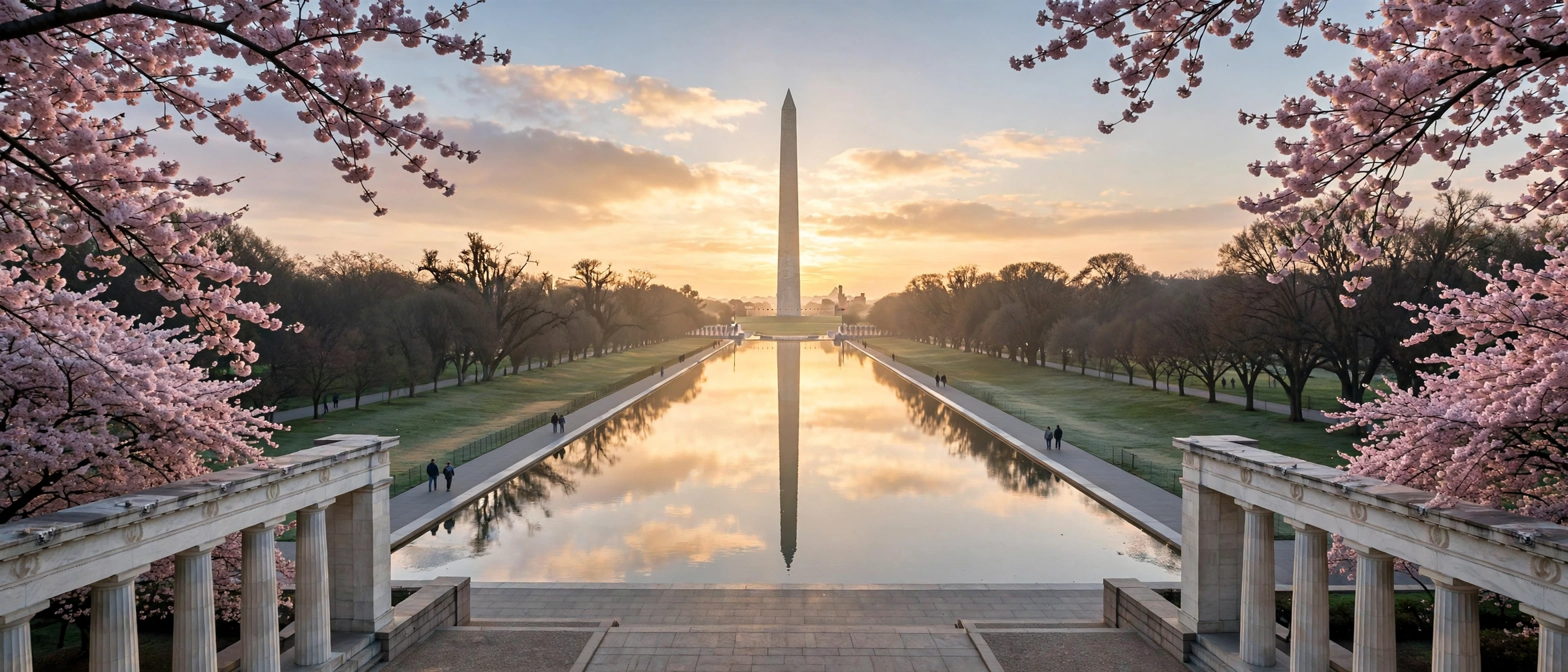
If one of your anchor stops is a city, plan it like a short trip of its own. A planned city stop, such as this Washington DC 2-day itinerary, lets you cover the highlights efficiently instead of paying for extra nights while you figure out what to do.
One more route rule: avoid backtracking. A loop beats an out-and-back every time, because every mile you drive twice is a mile you pay for twice.
Sleep Cheap: Your Three Best Options
Lodging is usually the biggest line item on a road trip, and it is also the easiest to cut.
Camping is the budget king. National forests and Bureau of Land Management (BLM) land often allow free dispersed camping — the Forest Service and BLM publish the rules on their official sites. Developed campgrounds in state and national parks are usually far cheaper than motels.
Car camping splits the difference. Sleeping in your car at designated rest areas (check state rules first — not every state allows overnight parking) costs nothing and saves the effort of pitching a tent on a one-night stop.
Budget motels and hostels fill the gaps. Small independent motels along older highways are often half the price of highway-exit chains, and booking sites let you filter by price. Avoid weekends in popular towns; driving your overnights into weekdays can cut rates noticeably.
Eat Well Without Paying Restaurant Prices
Food is the second leak in a road trip budget, and it is the easiest to plug. Eating out three times a day adds up terrifyingly fast.
A decent cooler changes the math completely. Grocery stops every few days for fruit, sandwiches, cheese, crackers, yogurt, and drinks cost a fraction of restaurant meals. A portable camping stove or a motel microwave lets you do simple hot meals — pasta, oatmeal, eggs — for a few dollars instead of a $20 breakfast plate.
Pick one meal out a day as your treat, ideally lunch — the same dishes often cost less at midday. And always keep a day’s worth of water and snacks in the car; the most expensive food on a road trip is the food you buy because you are starving at a gas station.
Cut Your Fuel and Toll Costs
Fuel prices vary widely across the country, sometimes by more than a dollar a gallon between neighboring states. Fuel-price apps show current prices along your route — fill up in the cheap states before crossing into expensive ones.
Steady driving saves real money: aggressive acceleration and high speeds burn noticeably more fuel. Keep tires properly inflated (check before you leave and once mid-trip), remove the roof box or rack when you do not need it, and combine your sightseeing drives with your travel legs instead of driving the same stretch twice.
For tolls, check your route in advance. Many eastern states run toll highways, and some toll roads offer cheaper rates for paying electronically. Sometimes a parallel free route costs only ten extra minutes — worth knowing before you are already at the booth.
Spend Your Entertainment Budget on the Free Stuff
The best parts of an American road trip are often free: overlooks, trailheads, small-town main streets, riverside parks, and scenic drives themselves. Build your days around these and your entertainment budget shrinks to almost nothing.
For national parks, the America the Beautiful annual pass (around $80 at the time of writing) pays for itself if you visit more than two or three parks in a year — check the current price on the official NPS store before buying. The Park Service also runs several fee-free entrance days each year, so it is worth checking the schedule if your dates are flexible.
State parks, free walking tours, farmers’ markets, and local festivals fill the gaps cheaply. The habit that saves money everywhere: look for the thing locals do for fun, not the thing tourists pay for.
Prep Your Car and Pack Smart
A breakdown is the most expensive thing on this list, so prevention is budget protection. Before a long trip, have the oil, brakes, coolant, and tire condition checked.
Pack a basic emergency kit: spare tire (check that it is inflated), jumper cables or a jump starter, a tire inflator, flashlight, first-aid kit, and enough water for the remote stretches. A vehicle emergency kit is also one of the few road-trip purchases that pays off for years afterward.
For the rest of your gear, borrow or rent what you will use once — coolers, tents, and camping stoves are classic borrow-first items.
Track Spending Daily, Not at the End
A budget fails quietly. The fix is simple: spend two minutes each night logging what you spent on fuel, food, and lodging. A notes app is enough. If one category runs hot for two days, you adjust the next two days — shorter drive, free campsite, grocery dinner.
This small habit is what separates the trips that stay under budget from the ones that surprise you at the end.
FAQs
How much does a budget road trip in the USA cost per day?
It varies with your sleep and driving distance, but a careful couple can often run a road trip for roughly $75–$150 per day combined — more if you motel every night, less if you camp. Your own math from the budgeting step above is more reliable than any average.
Is it cheaper to camp or get a motel on a road trip?
Camping or car camping is almost always cheaper, often free or under $25 a night on public land versus $80–$150+ for a motel. The trade-off is comfort and setup time, so many budget travelers mix both.
What is the cheapest month for a US road trip?
Shoulder seasons — late spring and early fall — usually offer the best combination of mild weather, lower lodging rates, and thinner crowds at parks and attractions. Summer and holiday weekends are the most expensive.
Final Thoughts
A budget road trip in the USA is not about deprivation — it is about spending where it counts. Sleep under the stars instead of under a hotel logo. Cook a few meals and splurge on the one that matters. Drive steady, plan a loop, and let the free overlooks do the heavy lifting.
Do that, and the money you save is not the point. The point is that the road stays yours as long as you want it to be.