“Paid $18K for wedding photos and still hate half the shots.” That tweet sat bookmarked on my phone for weeks. Not because I enjoy regret – but because it perfectly sums up what goes wrong when couples chase prestige pricing without understanding value. Indian wedding photography in Chicago is a booming micro-industry, and like any market with emotional buyers, it’s full of markups hiding behind tradition.
I don’t pay full price. Ever. But I do pay for value. And when it comes to indian wedding photography chicago, value isn’t about the fanciest studio – it’s about who understands light, logistics, and leverage. Let’s break this industry down the only way that matters: as a business model.
Customer Segments: Who’s Actually Buying?
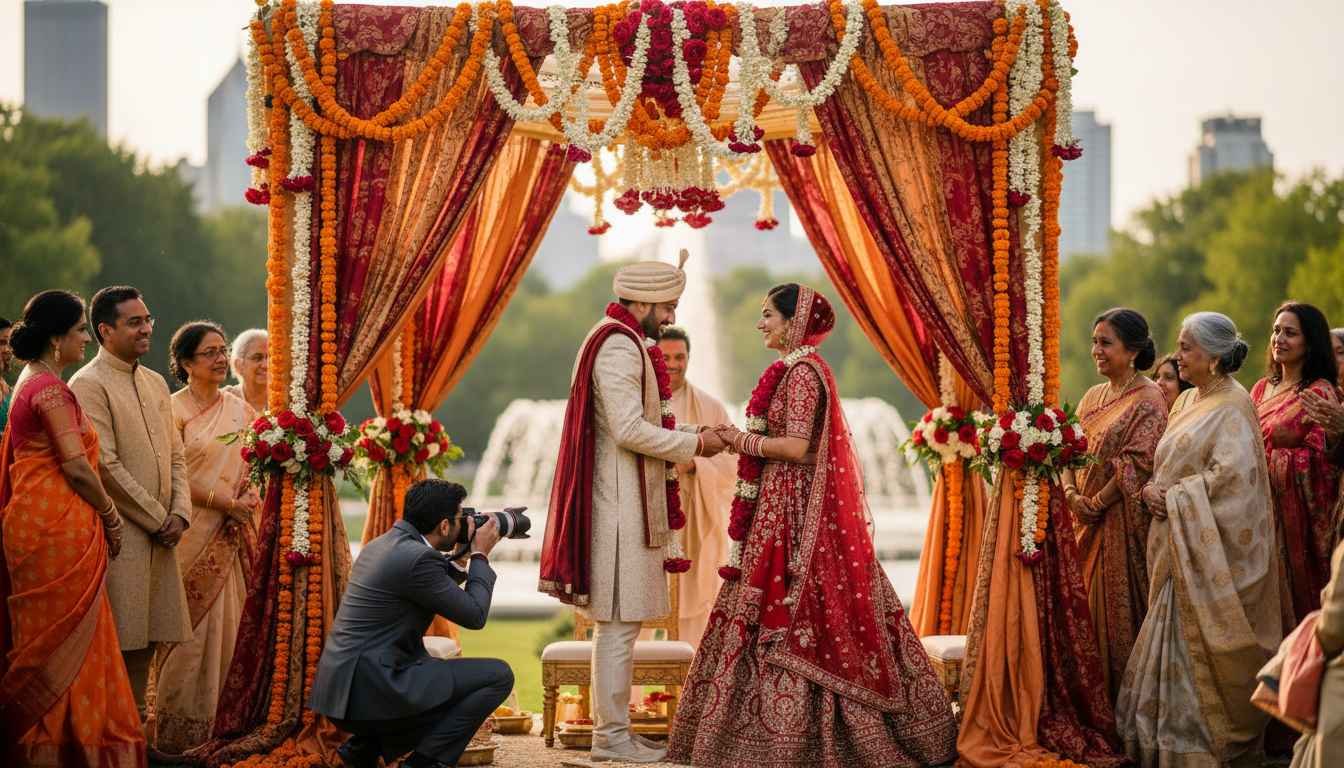
Indian weddings in Chicago aren’t a single market. You’ve got multi-day Hindu ceremonies in Schaumburg, Sikh weddings in Palatine, Muslim nikahs downtown, and fusion weddings in West Loop lofts. Each segment demands different coverage hours, lighting setups, and post-production intensity.
Photographers who price “per wedding” instead of “per segment” are already signaling inefficiency. Bargain hunters look for modular pricing – because a Mehndi night doesn’t need the same rig as a reception.
Smart couples ask: Which moments actually need premium coverage, and which can be handled lean?
Value Proposition: What Are You Really Paying For?
Here’s the uncomfortable truth: most indian wedding photography chicago packages inflate price through perceived complexity, not actual cost. Yes, the weddings are long. Yes, outfits change. But technology has flattened a lot of that labor.
The real value lies in three things: cultural literacy, lighting control, and turnaround speed. Photographers who understand when the rituals happen don’t overshoot blindly. Those who control light don’t rely on post-edit miracles.
This is where tools like Lume Cube quietly change the economics. Portable, controlled lighting reduces reshoots, editing hours, and crew size – costs that usually get passed on to you.
Channels: How These Photographers Reach You
Instagram is the showroom. Wedding expos are the hard sell. Google search is where bargain hunters live. If a studio dominates Instagram but is invisible in search, you’re paying for their marketing overhead.
Chicago-based photographers who invest in SEO for indian wedding photography chicago often do so because they compete on clarity, not hype. They expect informed buyers – and price accordingly.
Rule of thumb: If discovery feels too glamorous, the invoice will be too.
Customer Relationships: White-Glove or Workflow?
Unlimited consultations sound nice until you realize you’re funding inefficiency. High-touch relationships are expensive. Streamlined workflows are not.
The best value photographers offer structured planning: shot lists, cultural checklists, lighting diagrams. This isn’t cold – it’s professional.
According to PPA (Professional Photographers of America) best practices, clear pre-production planning is the #1 predictor of client satisfaction. That’s authority – not opinion.
Revenue Streams: Where the Upsells Hide
Albums. Same-day edits. Cinematic cuts. Drone footage. Each sounds essential – until you price them individually.
Bargain hunters separate emotional wants from archival needs. Digital rights matter. RAW access doesn’t. Large albums are often marked up 300–400%.
If a photographer pushes bundles without line-item pricing, they’re protecting margin, not your memories.
Key Resources: Gear vs. Skill
Here’s where photographers don’t want scrutiny. Gear lists are marketing theater. Skill is operational reality.
Lighting proficiency matters more than camera count. A photographer who understands off-camera lighting can work faster, leaner, and cheaper – especially in dim banquet halls common across Chicago suburbs.
Ask how they light, not what they shoot with.
Key Activities: What Drives Cost?
Multi-day coverage isn’t the cost driver – post-production is. Editing thousands of poorly lit images costs time. Time costs money.
Studios that shoot clean reduce editing hours. That’s why lighting strategy is a hidden bargaining chip.
Efficiency isn’t cutting corners. It’s cutting waste.
Key Partnerships: Venues, Planners, and Kickbacks
Some venues push “preferred photographers.” Follow the money. Referral fees exist, even if unofficial.
Independent photographers who aren’t tied to venues often price more competitively because they’re not paying for access.
Ask directly: How did you get recommended?
Cost Structure: Where Your Money Goes
Labor. Editing. Marketing. Admin. The less transparent the breakdown, the more padding exists.
Bargain hunters favor studios that publish clear inclusions and exclusions. Ambiguity is expensive.
⚠️ Common Mistakes (Warning Box)
⚠️ Common Mistakes
• Paying for full-day coverage when only key ceremonies matter
• Confusing luxury branding with technical excellence
• Ignoring lighting strategy in dark venues
• Overbuying albums instead of digital rights
• Not verifying cultural experience
Who Should Avoid This?
If you want a celebrity-name photographer regardless of cost, stop reading. If you equate high price with high love, this framework will feel uncomfortable.
Bargain hunting isn’t about being cheap – it’s about being precise. Couples who want zero involvement and unlimited hand-holding may prefer boutique studios with higher margins.
Final Take: Spend Less, Get More
Indian wedding photography in Chicago doesn’t have to break the bank. But it does require asking uncomfortable questions and rejecting price theater.
Value lives in preparation, lighting, and cultural fluency – not inflated packages. I never pay full price because I never buy blind.