Picture yourself in late January, deciding between two very different holidays: one morning you could be watching snow settle on a quiet European square, and the next you could be walking barefoot on a warm beach. January and February reward that kind of choice, because they sit at opposite ends of the travel year — peak winter in the northern hemisphere and high summer in the south. The trick is not to pick a place at random, but to match the month to the kind of trip you actually want.
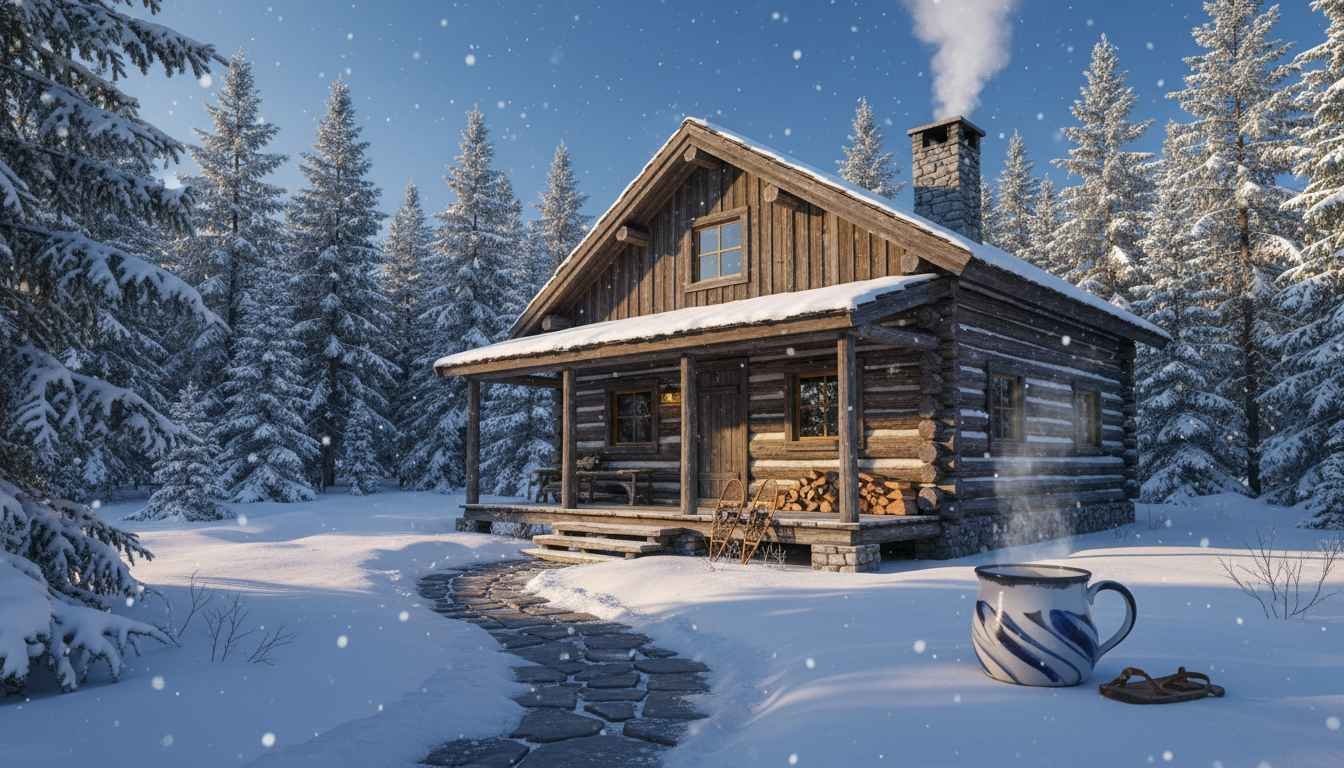
Winter Destinations for Snow and Quiet Cities
If you love winter properly, January and February are the months to embrace it. Ski resorts in Switzerland and Colorado are in full season, with reliable snow and long days on the slopes, and Switzerland in winter also suits non-skiers, who can ride mountain railways, walk winter trails and warm up in lakeside towns. Iceland is another strong winter pick: its hot springs, dark skies and snow-covered lava fields feel completely different from a summer visit, though daylight is short, so plan outdoor time around the middle of the day.
Northern European cities are also at their most atmospheric in these months. Copenhagen and Stockholm look their best under snow, and the crowds of summer are gone, which means quieter museums, easier restaurant bookings and a slower pace. For a lower-cost ski alternative, Bulgaria in winter offers mountain resorts and historic towns without Alpine prices. The trade-off is cold and short days, so pack for real winter weather and choose a hotel close to the sights you most want to see.
Warm-Weather Escapes When Home Is Cold
If your priority is warmth, look south or to the southern hemisphere. The Caribbean islands are reliably warm and sunny in January and February, with calm seas that suit swimming, snorkelling and slow beach days. Thailand and Vietnam are also popular in these months, with drier weather in many regions than later in the year, though conditions vary by coast, so check the specific region you plan to visit rather than assuming the whole country is dry.
Australia is in summer in January and February, which makes Sydney and Melbourne lively with outdoor festivals, beach days and long evenings. It can also be hot, and some regions face heat and bushfire risk in summer, so keep an eye on local conditions and have a flexible plan. The same honest caveat applies to Bali: it is warm year-round, but January and February fall in its wet season, so expect tropical downpours alongside the sunshine rather than guaranteed blue skies.
Cultural Trips Without the Crowds
January and February are excellent months for cultural travel, because many famous sites are far quieter than in spring or summer. Egypt is a good example: the cooler winter months make exploring temples and tombs far more comfortable than the summer heat, and the pyramids and museums can be enjoyed without peak-season queues. In Greece, winter brings a calmer Acropolis and quieter streets in Athens, though some island ferries and seasonal businesses run reduced services, so city-based trips work better than island-hopping.
India also comes alive in these months. January and February bring festivals such as Makar Sankranti and Vasant Panchami, colourful harvest and spring celebrations that vary by region, and the cooler weather makes sightseeing in the north much more pleasant. If festivals are your reason for going, check the exact dates for the year you travel, as Hindu festival dates shift annually.
How to Choose Between Winter, Warmth and Culture
Start with one question: do you want to feel the season or escape it? If the answer is to feel it, choose a winter destination and commit to the cold — proper clothing, daylight planning and a slower itinerary. If the answer is to escape it, choose warmth but accept the trade-offs, whether that is wet-season rain in Bali or peak-season prices in the Caribbean. If culture matters most, choose a city where winter is an advantage rather than a drawback: quieter museums, lower crowds and cooler walking weather.
Budget also changes with the choice. Winter ski resorts and Caribbean beach resorts are often at peak prices in January and February, while city breaks in Europe can be comparatively good value. Booking flights and hotels early matters most for ski and beach destinations; for city trips, flexibility on dates usually saves more than any single deal.
Practical Tips for January and February Travel
Pack for the destination, not the departure airport. A winter city trip needs waterproof boots, layers and gloves, while a tropical trip needs sun protection, light clothing and a plan for sudden rain. Check daylight hours before you plan day trips, especially in northern Europe and Iceland, where a full sightseeing day is shorter than in summer. Finally, confirm seasonal opening hours and transport schedules, since some attractions, island ferries and rural services run reduced winter timetables.
FAQ
Is January or February better for a winter holiday?
Both work well. January usually has the most reliable snow in ski resorts, while February often brings slightly longer days. For city breaks, the difference is small — choose based on flight prices and your own schedule.
Where is warm in January and February?
The Caribbean, parts of Southeast Asia and Australia are warm in these months. Always check the specific region, since wet seasons and heat vary within a country.
Are January and February good months for families?
Yes, with the right pick. Ski resorts, warm beach destinations and quiet cultural cities all suit families, provided you match the trip to your children’s ages and tolerance for cold or heat.
Final Thoughts
January and February do not offer one best destination — they offer a choice. Pick winter and you get snow, quiet cities and a slower pace. Pick warmth and you get beaches and long summer days in the southern hemisphere. Pick culture and you get famous sights without the crowds. Decide which of those three you want most, check the seasonal reality for that exact place, and the month will take care of the rest.